A beautiful home is more than a collection of attractive furniture, decorative accessories, and fashionable colours. It is a personal environment where comfort, creativity, and functionality come together. The right interior design choices can transform ordinary rooms into welcoming spaces that support everyday activities while expressing individual taste.
Interior Design PushYourDesign: Home Inspiration explores practical ways to improve different areas of your home. From modern living rooms and peaceful bedrooms to creative storage solutions and budget-friendly decorating, thoughtful design can make every corner more appealing. Whether you are planning a complete makeover or simply refreshing a few details, these ideas can help you create an interior that feels balanced, distinctive, and enjoyable.
1. Understanding the Basics of Interior Design
What Is Interior Design?
Interior design is the process of arranging and decorating indoor spaces to make them attractive, comfortable, and useful. It involves selecting furniture, colours, lighting, materials, and decorative elements that work together. A successful design considers both appearance and the practical needs of the people using the space.
Why Interior Design Matters
Your surroundings influence how you experience everyday life. A thoughtfully arranged room can make daily activities easier, provide a welcoming atmosphere, and give your home a more organized appearance. Good design also helps you use available space wisely.
The Connection Between Beauty and Functionality
An attractive interior should also serve a practical purpose. Beautiful furniture is valuable when it offers suitable comfort, while decorative storage can keep belongings accessible without creating clutter. The strongest designs combine visual appeal with everyday convenience.
Creating Spaces That Reflect Your Personality
Your home should feel connected to your interests and preferences. Favourite colours, meaningful photographs, artwork, and treasured objects can introduce character into different rooms. Personal details make an interior feel more authentic than a space copied entirely from a catalogue.
Understanding Your Home’s Design Needs
Before making changes, consider the size of each room, available daylight, existing furniture, and the activities taking place there. A busy family living room may require durable materials, while a bedroom benefits from a calmer arrangement. Understanding these needs helps you make suitable decisions.
2. Exploring Popular Interior Design Styles
Modern Interior Design
Modern interiors often feature clean lines, practical furniture, open arrangements, and carefully selected decorative details. Neutral colours, smooth finishes, and simple shapes create a polished appearance without making rooms feel unnecessarily complicated.
Minimalist Home Décor
Minimalist design focuses on keeping only the items that contribute to comfort or visual interest. Simple furniture, uncluttered surfaces, and restrained colour combinations allow important features to stand out. The aim is to create breathing room rather than an empty-looking home.
Scandinavian Interior Inspiration
Scandinavian interiors are known for their bright atmosphere, natural materials, and comfortable simplicity. Pale wood, soft fabrics, gentle colours, and practical furnishings can make rooms feel fresh and welcoming.
Traditional and Classic Designs
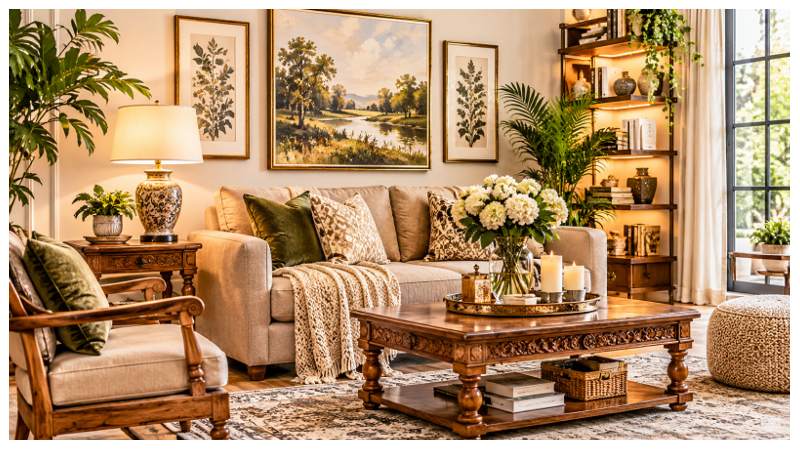
Traditional interiors introduce timeless character through detailed furniture, elegant patterns, rich finishes, and decorative accessories. Wooden pieces, framed artwork, and carefully chosen fabrics can give rooms a graceful appearance.
Contemporary and Luxury Interiors
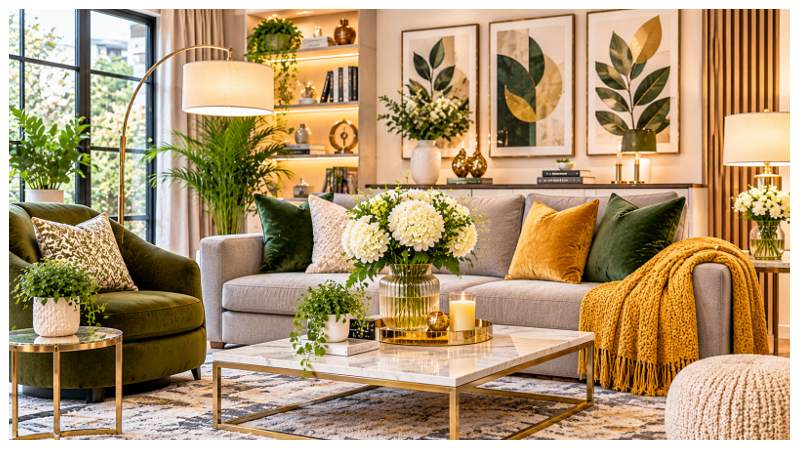
Contemporary spaces explore current design ideas through refined materials, statement lighting, sophisticated furniture, and balanced layouts. Luxury does not always require expensive objects; thoughtful proportions and quality finishes can create an equally elegant impression.
Mixing Different Design Styles
Combining styles can give your home a distinctive identity. Pair a modern sofa with a traditional wooden table or introduce contemporary lighting into a classic room. Keep a consistent colour palette or material selection to connect different influences.
3. Inspiring Living Room Design Ideas
Choosing the Right Living Room Furniture
Select seating, tables, and storage according to the room’s dimensions and daily use. A comfortable sofa, practical coffee table, and suitable side furniture can create a welcoming arrangement. Keep the space open and balanced by choosing furniture that complements the room rather than dominates it.
Creating an Attractive Focal Point
A well-chosen statement feature creates a natural visual anchor, bringing harmony and direction to the entire living room. It might be an attractive fireplace, a large artwork, a distinctive light fixture, or a beautifully styled media wall. Arrange nearby furniture to complement this feature.
Selecting Beautiful Colour Combinations
Choose colours that suit the atmosphere you want to establish. Warm neutrals can create an inviting setting, while muted greens and blues introduce a refreshing quality. Use stronger shades through smaller decorative accents.
Decorating With Cushions and Textures
Layered fabrics can make seating areas feel more comfortable and visually interesting. Combine cushions, throws, rugs, and curtains with different textures while keeping their colours coordinated.
Adding Stylish Lighting and Accessories
Table lamps, floor lights, plants, and carefully selected ornaments can complete the room. Choose accessories that enhance the arrangement instead of filling every available surface.
4. Beautiful Bedroom Interior Inspiration
Designing a Comfortable and Peaceful Bedroom
A bedroom should support rest and relaxation. Position the bed comfortably, allow enough walking space, and avoid unnecessary furniture. Keep frequently used belongings organized to maintain a peaceful atmosphere.
Choosing Relaxing Wall Colours
Soft beige, warm white, muted green, and gentle blue can create a soothing background. Consider the room’s natural lighting before choosing a paint shade, as colours may appear different throughout the day.
Selecting Suitable Beds and Furniture
Choose a bed that fits the room and provides comfortable support. Bedside tables, wardrobes, and dressers should offer useful storage without making movement difficult.
Styling Bedding and Decorative Cushions
Fresh bedding can change the entire appearance of a bedroom. Combine coordinated sheets, textured covers, and a few decorative cushions to create a neat, inviting arrangement.
Creating a Cozy Bedroom Atmosphere
Soft lighting, comfortable rugs, pleasant fabrics, and simple decorations can make the room feel warmer. Avoid excessive visual distractions so the bedroom remains a place to unwind.
5. Modern Kitchen and Dining Room Designs
Planning a Functional Kitchen Layout
Arrange cooking, preparation, cleaning, and storage areas for convenient movement. Frequently used appliances and utensils should remain accessible, while less-used equipment can be stored away.
Choosing Stylish Cabinets and Countertops
Cabinet designs and countertop finishes influence the kitchen’s overall character. Select durable surfaces that are practical to clean and coordinate with the flooring, walls, and other finishes.
Creating Practical Kitchen Storage
Use drawer organizers, shelves, baskets, and cabinet dividers to make better use of available space. Group similar items together so ingredients and cooking tools are easier to locate.
Designing an Attractive Dining Space
A dining area should provide comfortable seating and enough room to move around the table. A suitable pendant light, coordinated chairs, and a simple centrepiece can make everyday meals feel more special.
Adding Modern Kitchen Accessories
Practical accessories such as storage jars, utensil holders, attractive trays, and small plants can improve the kitchen’s appearance. Keep countertops reasonably clear to preserve useful working space.
6. Creative Interior Ideas for Small Spaces
Making Small Rooms Feel Larger
Light colours, simple furniture, and clear walking paths can make compact rooms appear more open. Avoid heavy arrangements that interrupt the natural flow of the space.
Choosing Space-Saving Furniture
Consider storage beds, nesting tables, foldable desks, and compact seating. Multi-purpose pieces provide useful features without requiring additional floor area.
Using Mirrors to Create Visual Space
Mirrors reflect available light and introduce a greater sense of depth. Position them thoughtfully to reflect a window or attractive part of the room.
Maximizing Unused Corners
Corners can become useful areas for reading chairs, slim shelving, small desks, or indoor plants. Select pieces that fit the available dimensions without blocking movement.
Keeping Compact Interiors Organized
Use vertical storage, labelled containers, and regular decluttering to prevent small rooms from feeling crowded. Give every frequently used item a convenient place.
7. Choosing the Right Colours for Your Home
Understanding Interior Colour Schemes
A colour scheme connects the different elements within a room. Choose a main shade, supporting colours, and a few accent tones to create a coordinated appearance.
Using Neutral Colours Effectively
Cream, beige, grey, and warm white provide flexible backgrounds for furniture and decoration. Different finishes and textures can stop neutral interiors from looking flat.
Adding Bold Colours With Confidence
Strong colours can bring energy and personality to an interior. Introduce them through artwork, cushions, occasional chairs, or feature walls rather than using too many competing shades.
Combining Different Shades and Tones
Use variations of related colours to build depth and interest. For example, several earthy shades can work together when balanced with lighter surfaces and suitable lighting.
Creating Harmony Between Colours and Furniture
Consider how wall colours relate to upholstery, flooring, curtains, and decorative finishes. Repeating a few shades across the room helps the overall arrangement feel connected.
8. Lighting Ideas for Beautiful Interiors
Making the Most of Natural Light
Keep windows unobstructed where possible and choose curtains that allow daylight into the room. Mirrors and lighter surfaces can help distribute available brightness.
Choosing Suitable Indoor Lighting
Different rooms require different lighting arrangements. Bright task lighting is useful in kitchens and workspaces, while softer illumination can make bedrooms and living areas more relaxing.
Adding Decorative Lamps and Fixtures
Pendant lights, floor lamps, and table lamps can become attractive design features. Select shapes and finishes that complement the room’s furniture and overall style.
Creating Warm and Inviting Spaces
Warm lighting can make evening interiors feel comfortable and welcoming. Use suitable lamps near seating areas and avoid relying on one harsh overhead light.
Using Layered Lighting Techniques
Combine general lighting, task lighting, and accent lighting to make a room more versatile. This approach allows you to adjust the atmosphere according to different activities.
9. Furniture Selection and Arrangement
Choosing Furniture That Suits Your Space
Measure available areas before selecting furniture. Consider the room’s purpose, the number of people using it, and the storage requirements.
Arranging Furniture for Better Movement
Leave comfortable pathways between major pieces and avoid blocking doors or windows. A well-planned arrangement makes rooms easier to use and navigate.
Combining Comfort With Modern Style
Furniture should look attractive while meeting everyday requirements. Select comfortable seating, supportive mattresses, and practical tables that suit your preferred design direction.
Selecting Materials and Finishes
Wood, metal, glass, fabric, and stone each contribute different visual qualities. Consider durability, maintenance, and how each material works with the rest of the interior.
Maintaining a Balanced Interior Layout
Distribute visual weight across the room instead of placing every large object on one side. A balanced arrangement creates a more natural and organized appearance.
10. Creative Wall Décor and Decoration Ideas
Choosing Attractive Wall Colours
Wall colours establish the foundation for a room’s appearance. Test suitable shades in different lighting conditions before deciding on the final finish.
Decorating With Paintings and Artwork
Artwork can introduce personality, colour, and visual interest. Choose pieces that suit the room’s scale and position them at a comfortable viewing height.
Creating Stylish Feature Walls
A feature wall can stand out through paint, wallpaper, decorative panels, or textured finishes. Keep surrounding elements relatively simple so the design remains noticeable.
Using Mirrors and Wall Shelves
Wall-mounted shelves provide display and storage opportunities without occupying floor space. Mirrors can add brightness and create an attractive decorative feature.
Adding Personal Decorative Details
Family photographs, handmade objects, and meaningful keepsakes help create a more personal environment. Arrange them carefully to avoid an overcrowded appearance.
11. Natural Elements and Sustainable Interiors
Bringing Nature Into Your Home
Natural details introduce warmth and freshness into indoor spaces. Wooden furniture, woven accessories, stone finishes, and botanical patterns can create a connection with the outdoors.
Decorating With Indoor Plants
Plants add colour and natural character to living rooms, bedrooms, and other suitable spaces. Select varieties according to available light and the amount of care you can provide.
Choosing Natural Materials
Cotton, linen, bamboo, wood, and other natural materials can add attractive textures. Consider their durability and maintenance requirements when choosing furnishings.
Using Sustainable Furniture
Look for well-made pieces designed for long-term use. Reclaimed wood, responsibly sourced materials, and second-hand furniture can be thoughtful alternatives to frequently replacing household items.
Creating Fresh and Eco-Friendly Spaces
Reduce unnecessary waste, choose durable accessories, and make use of natural daylight. Small decisions can help create interiors that are both attractive and more resource-conscious.
12. Budget-Friendly Interior Design Inspiration
Refreshing Rooms Without Renovation
Rearranging furniture, changing curtains, updating cushion covers, and introducing new lighting can refresh a room without major construction work.
Updating Old Furniture Creatively
Give existing furniture a new appearance with suitable paint, replacement handles, or refreshed upholstery. A little creativity can make familiar pieces feel more interesting.
Finding Affordable Home Accessories
Explore affordable rugs, decorative trays, cushions, plants, and storage baskets. Compare quality and usefulness before purchasing accessories.
Decorating With DIY Projects
Simple DIY activities can add individuality to your home. Create artwork, decorate storage containers, or update an old frame to match your interior colours.
Making Small Changes With a Big Impact
Focus on details that influence the room’s overall appearance. Better lighting, cleaner surfaces, coordinated fabrics, and thoughtful furniture placement can make a noticeable difference.
13. Interior Design Trends and Fresh Ideas
Exploring Modern Home Design Trends
Current design inspiration often includes natural finishes, comfortable furniture, practical layouts, and expressive decorative details. Explore new ideas while considering whether they suit your home.
Using Statement Furniture Pieces
A distinctive chair, unusual coffee table, or sculptural cabinet can become the highlight of a room. Give statement pieces enough surrounding space to remain visually effective.
Incorporating Natural Textures
Woven baskets, wooden surfaces, linen fabrics, and textured rugs can introduce depth. Combining different materials makes interiors feel more layered and welcoming.
Combining Classic and Contemporary Details
Traditional craftsmanship can work beautifully alongside modern furniture and lighting. Select a few shared colours or finishes to connect both design influences.
Choosing Timeless Designs Over Temporary Trends
Trends can provide inspiration, but long-lasting choices offer greater flexibility. Invest in practical furniture and use easily replaceable accessories to experiment with changing styles.
14. Practical Interior Design Tips From PushYourDesign
Planning Your Home Design Project
Begin by identifying what needs improvement and deciding how much you can spend. Create a simple plan for furniture, colours, lighting, and decorative changes before purchasing anything.
Measuring Rooms Before Buying Furniture
Record wall lengths, ceiling height, door positions, and window dimensions. Check furniture measurements carefully to avoid pieces that are too large or unsuitable.
Choosing Décor That Matches Your Lifestyle
A home should support the people who live in it. Families may need durable surfaces and extra storage, while someone working remotely may benefit from a comfortable workspace.
Avoiding Common Interior Design Mistakes
Avoid purchasing furniture without measuring, choosing colours without testing them, or adding too many decorative objects. Planning the overall arrangement first can prevent unnecessary expenses.
Maintaining a Clean and Beautiful Home
Regular cleaning, occasional decluttering, and proper furniture care help preserve your interior. Small maintenance tasks can keep rooms looking attractive for longer.
15. Interior Design PushYourDesign: Creating Your Dream Home
Discovering Your Personal Design Style
Explore different interiors and notice which colours, furniture shapes, and materials appeal to you. Your preferred style may combine several influences, provided they create a comfortable overall result.
Turning Inspiration Into Real Design Ideas
Save useful references, identify the details you like, and adapt them to your own rooms. Consider available space and budget before turning inspiration into a shopping list.
Creating Comfortable and Functional Spaces
Give each room a clear purpose and arrange its features accordingly. Suitable furniture, accessible storage, and appropriate lighting help make interiors easier to enjoy.
Bringing Every Room Together
Use repeated colours, related materials, and consistent decorative details to connect different areas of your home. Each room can have its own character while still belonging to one overall design.
Making Your Home Unique and Welcoming
Meaningful objects, thoughtful furniture choices, and personal decorations give your home a recognizable identity. The best interior is one that feels inviting and works naturally for your everyday life.
16. Frequently Asked Questions (FAQ)
What Are the Best Interior Design Ideas for a Home?
Start with a practical furniture layout, coordinated colours, suitable lighting, and organized storage. Add personal decorations and comfortable fabrics to create an attractive, functional environment.
How Can I Make My Home Look More Beautiful?
Keep rooms tidy, arrange furniture thoughtfully, introduce suitable lighting, and select accessories that complement one another. Small improvements can make interiors feel more polished.
Which Interior Design Style Is Most Popular?
Modern, minimalist, Scandinavian, and contemporary styles are widely appreciated. The best choice depends on your personal preferences, available space, and daily requirements.
How Can I Decorate a Small Room?
Use appropriately sized furniture, vertical storage, lighter colours, and mirrors. Keep unnecessary items out of the room to maintain a more open appearance.
What Colours Make a Home Feel More Comfortable?
Warm whites, soft beige, muted greens, gentle blues, and earthy shades can create welcoming interiors. The result also depends on lighting and the materials used.
How Can I Improve My Home on a Budget?
Rearrange existing furniture, update small decorative details, reuse household items, and try simple DIY projects. Prioritize changes that provide practical and visual value.
How Do I Choose Furniture for My Interior?
Consider room dimensions, comfort, durability, storage needs, and existing colours. Measure everything before purchasing and select pieces that support the room’s purpose.
17. Conclusion
Transform Your Home With Creative Design Inspiration
Creating a beautiful interior is about making thoughtful choices that bring comfort, personality, and functionality together. From selecting furniture and coordinating colours to improving lighting and organizing smaller spaces, every detail contributes to the overall atmosphere of your home.
Interior Design PushYourDesign: Home Inspiration encourages you to explore creative ideas while staying connected to your own needs and preferences. You do not have to change every room at once or spend a large amount of money to achieve an attractive result. Begin with simple improvements, make use of what you already have, and introduce new elements gradually.