
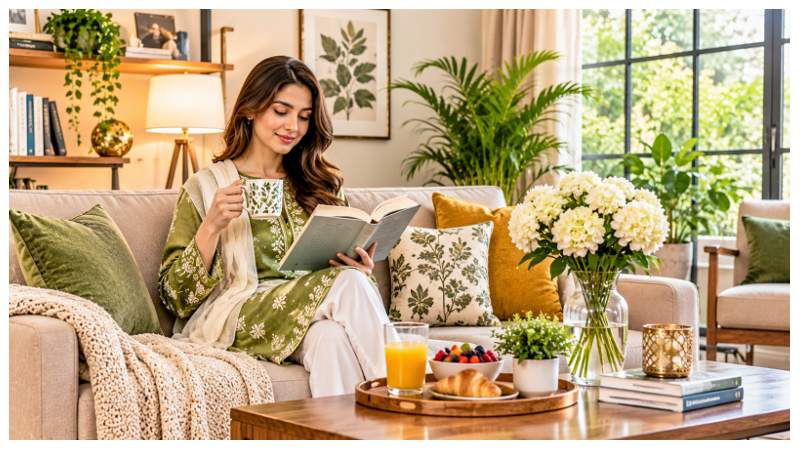
A better lifestyle does not require expensive purchases, dramatic changes, or a completely different daily schedule. It often begins with simple decisions that make everyday experiences more comfortable, organized, and enjoyable. From creating a welcoming home to developing healthier habits, small improvements can gradually transform the way you live.
Tips Lifestyle PushYourDesign: Better Living explores practical ways to improve your surroundings, manage daily responsibilities, maintain personal well-being, and enjoy meaningful relationships. Whether you want to refresh your home, become more organized, or introduce positive habits into your routine, these ideas can help you create a lifestyle that reflects your needs and personality.
1. Understanding a Better Lifestyle
What Does Better Living Mean?
Better living means creating a daily life that supports comfort, happiness, productivity, and personal satisfaction. It involves making thoughtful choices about your home, relationships, routines, and personal priorities. Rather than following every popular trend, focus on what genuinely improves your everyday experiences.
Importance of Healthy Daily Habits
Daily habits influence how you feel and manage your responsibilities. Eating nutritious meals, staying active, maintaining personal hygiene, and getting enough rest can support your overall well-being. Simple actions become more valuable when practised regularly.
Creating Balance Between Work and Personal Life
A balanced lifestyle allows you to meet professional responsibilities without neglecting your personal needs. Establish clear working hours, take occasional breaks, and make space for family, hobbies, and relaxation. A healthy separation between work and leisure can make your days feel more manageable.
Making Time for Yourself
Personal time is essential for discovering what makes you feel refreshed and motivated. Read a book, enjoy a quiet walk, listen to music, or simply spend a few peaceful moments away from responsibilities. Giving yourself regular attention can help prevent everyday routines from becoming overwhelming.
Building a Positive Daily Routine
A positive routine provides structure without making life feel restrictive. Choose a few meaningful activities for your morning, afternoon, and evening. Keep your schedule realistic so you can follow it comfortably, even when unexpected responsibilities arise.
2. Simple Tips for Everyday Living
Starting Your Day With Good Habits
Begin your morning with activities that prepare you for the day ahead. Make your bed, drink water, open the curtains, and take a few moments to organize your priorities. A calm start can help you approach daily tasks with greater clarity.
Staying Organized Throughout the Day
Keep frequently used belongings in convenient places and maintain a simple schedule for important activities. Returning items after use, clearing small messes, and checking upcoming responsibilities can prevent unnecessary confusion.
Managing Daily Responsibilities
Divide larger responsibilities into smaller tasks instead of attempting everything simultaneously. Handle urgent activities first and leave enough room for unexpected changes. This approach makes demanding days easier to manage.
Making Time for Activities You Enjoy
Personal interests add variety and enjoyment to everyday life. Gardening, cooking, painting, photography, reading, and learning new skills can provide refreshing breaks from routine responsibilities. Choose activities that feel enjoyable rather than treating every hobby as another obligation.
Developing Consistent Routines
Consistency helps useful habits become part of your normal schedule. Start with manageable actions and repeat them regularly. Gradually introduce additional improvements once your existing routine feels comfortable.
3. Creating a Comfortable and Beautiful Home
Keeping Your Living Space Clean
A clean home feels more welcoming and makes everyday activities easier. Wipe frequently used surfaces, put belongings away, and create a manageable cleaning schedule. Dividing household chores across the week can prevent them from becoming exhausting.
Choosing Comfortable Furniture
Furniture should support the way you use each room. Select seating that feels comfortable, tables with practical surfaces, and storage pieces that suit your available space. Consider proportions and movement before purchasing large items.
Adding Personal Decorative Touches
Decorative details help transform a house into a home with individual character. Display meaningful photographs, favourite artwork, attractive cushions, or treasured keepsakes. Choose accessories that complement one another rather than filling every available surface.
Making the Most of Natural Light
Natural light can make interiors feel brighter and more inviting. Keep windows clear, use lightweight curtains where suitable, and position mirrors to reflect available daylight. Light-coloured furnishings can also help create an airy appearance.
Creating a Relaxing Home Atmosphere
A peaceful interior comes from thoughtful combinations of lighting, colours, textures, and organization. Soft furnishings, comfortable seating, gentle lighting, and a few indoor plants can make everyday spaces feel more inviting.
4. Smart Home Organization Ideas
Decluttering Your Rooms
Remove items that are damaged, unused, or no longer useful. Sort belongings into categories and decide what deserves to remain in each room. Regular decluttering makes cleaning easier and gives your home a more spacious appearance.
Organizing Everyday Essentials
Keep important belongings where you naturally use them. Store keys near the entrance, arrange toiletries together, and place frequently needed kitchen equipment within easy reach. Practical organization saves time and reduces unnecessary searching.
Using Creative Storage Solutions
Make better use of available space with baskets, drawer dividers, wall shelves, and storage boxes. Choose solutions that match your interior style while keeping belongings accessible. Hidden storage can be particularly useful in smaller homes.
Keeping Your Kitchen Tidy
A well-arranged kitchen makes meal preparation more convenient. Group similar ingredients, organize utensils, clean countertops after cooking, and check food storage regularly. Keeping frequently used items nearby can also improve the cooking experience.
Maintaining an Organized Bedroom
Create a restful bedroom by keeping clothing, bedding, and personal accessories in their designated places. Avoid unnecessary furniture and remove items that do not belong in the room. A tidy sleeping area can make evenings feel more peaceful.
5. Healthy Habits for Better Living
Choosing Balanced Everyday Meals
Include a variety of vegetables, fruits, whole grains, protein sources, and other nutritious foods in your meals. Plan simple dishes that suit your preferences and daily schedule. Balanced eating is easier to maintain when meals are enjoyable and practical.
Staying Hydrated Throughout the Day
Drinking enough water supports normal body functions and helps maintain hydration. Keep a reusable water bottle nearby and make drinking water part of your regular routine. Your needs may vary depending on activity, weather, and individual circumstances.
Making Time for Physical Activity
Movement does not always require a gym membership or complicated equipment. Walking, cycling, stretching, dancing, and simple home exercises can help you remain active. Choose activities that suit your abilities and that you can enjoy consistently.
Following a Consistent Sleep Schedule
A regular bedtime and waking time can support a more stable sleep routine. Make your bedroom comfortable, reduce unnecessary evening distractions, and allow yourself enough time to rest. Limiting stimulating activities before bedtime may also help you unwind.
Building Healthy Long-Term Habits
Lasting improvements usually develop through repetition rather than sudden lifestyle changes. Begin with realistic goals, notice your progress, and adjust your approach when necessary. Focus on steady improvement instead of expecting immediate results.
6. Lifestyle Tips for a Peaceful Mind
Creating a Calm Daily Environment
Your surroundings can influence how comfortable you feel throughout the day. Keep your workspace organized, reduce unnecessary noise, and create a quiet corner for relaxation. Even small environmental changes can make daily activities feel less demanding.
Managing Everyday Stress
Identify the responsibilities or situations that create unnecessary pressure. Break challenging tasks into smaller steps, take short breaks, and ask for support when needed. Maintaining realistic expectations can also make difficult days easier to handle.
Practising Mindfulness and Relaxation
Mindfulness encourages you to pay attention to the present moment. Try slow breathing, quiet reflection, gentle stretching, or a few minutes without digital distractions. These activities can provide a useful pause during a busy schedule.
Spending Time on Personal Interests
Creative activities can bring freshness and enjoyment into everyday life. Explore a new recipe, learn a craft, care for plants, or develop a skill that interests you. Personal hobbies offer opportunities to express yourself beyond regular responsibilities.
Maintaining a Positive Outlook
A positive outlook does not mean ignoring difficulties. It involves recognizing progress, appreciating meaningful experiences, and approaching challenges with a constructive attitude. Celebrate small achievements and learn from situations that do not go as planned.
7. Budget-Friendly Lifestyle Improvements
Planning Your Monthly Expenses
Create a simple budget that records regular bills, household costs, savings, and personal spending. Understanding where your money goes can help you make informed decisions and avoid unnecessary purchases.
Making Smart Shopping Decisions
Compare prices, check product quality, and consider whether an item meets a genuine need. Preparing a shopping list before visiting stores can reduce impulse buying and help you stay within your planned budget.
Saving Money on Home Décor
Refreshing an interior does not always require new furniture. Change cushion covers, rearrange accessories, introduce affordable plants, or update small decorative details. These simple adjustments can give familiar rooms a fresh appearance.
Reusing and Repurposing Household Items
Give useful objects another purpose instead of replacing them immediately. Glass jars can organize small accessories, decorative baskets can hold household supplies, and old furniture may become attractive storage after a careful refresh.
Finding Affordable Ways to Enjoy Life
Enjoyable experiences do not need to be expensive. Explore local parks, prepare meals at home, arrange family game evenings, or discover free creative activities. Thoughtful experiences often bring more satisfaction than unnecessary spending.
8. Time Management for Modern Living
Planning Your Daily Activities
Write down important tasks and arrange them according to priority. A short daily plan can help you understand what needs attention while leaving room for unexpected activities.
Setting Realistic Personal Goals
Choose goals that match your available time, energy, and resources. Divide larger ambitions into achievable milestones and review your progress regularly. Practical targets are easier to maintain than unrealistic expectations.
Avoiding Unnecessary Distractions
Frequent notifications, unrelated browsing, and constant interruptions can make tasks take longer. Silence non-essential alerts when concentrating and create specific times for checking messages or social media.
Balancing Work and Leisure
Productivity should not remove every opportunity for relaxation. Schedule breaks, enjoy meals without rushing, and protect some time for activities outside work. Rest can help you return to responsibilities with renewed attention.
Making Time for Important Priorities
Identify the people, activities, and responsibilities that matter most. Give them appropriate space in your schedule instead of allowing minor tasks to occupy the entire day. Meaningful priorities deserve consistent attention.
9. Building a Stylish Personal Lifestyle
Finding Your Personal Style
Personal style develops through colours, designs, and choices that feel natural to you. Explore different inspirations, but select elements that suit your personality, comfort, and everyday needs.
Choosing Comfortable Everyday Clothing
Choose clothing that fits properly and allows you to move comfortably. Consider fabric, weather, and the activities planned for the day. Practical pieces can look attractive without making daily dressing complicated.
Keeping Your Appearance Simple and Elegant
A polished appearance often comes from clean, well-maintained clothing and thoughtful combinations. Choose suitable colours, keep accessories balanced, and focus on details that make you feel confident.
Creating a Practical Daily Wardrobe
Build a wardrobe around versatile pieces that can be combined in different ways. Keep frequently worn clothing accessible and remove items that no longer fit your lifestyle. A practical collection makes getting dressed easier.
Expressing Yourself With Confidence
Confidence grows when your choices reflect your preferences rather than outside pressure. Wear what makes you comfortable, appreciate your individual qualities, and avoid comparing your lifestyle with unrealistic online images.
10. Sustainable Lifestyle Choices
Reducing Household Waste
Plan meals carefully, store food properly, and avoid purchasing more than you need. Separate recyclable materials where local facilities allow and consider donating useful belongings instead of throwing them away.
Using Reusable Everyday Products
Reusable shopping bags, water bottles, food containers, and cloth towels can reduce dependence on disposable alternatives. Select durable products that suit your routine and are easy to maintain.
Saving Water and Electricity
Switch off unused lights, unplug unnecessary devices, and use water thoughtfully. Efficient appliances and simple household habits can help reduce resource consumption and manage utility expenses.
Choosing Environmentally Friendly Materials
When updating your home, consider durable materials and products made with responsible manufacturing practices. Natural fibres, reclaimed wood, and long-lasting furnishings can be useful options when they suit your budget and requirements.
Developing Responsible Shopping Habits
Think about product durability, packaging, and actual usefulness before making purchases. Choosing fewer, better-quality items can reduce clutter and encourage more thoughtful consumption.
11. Enjoying Meaningful Family and Social Time
Spending Quality Time With Family
Make space for conversations, shared meals, and activities that bring family members together. Giving people your attention can strengthen relationships and create lasting memories.
Creating Special Everyday Moments
Ordinary days can become memorable through small gestures. Prepare a favourite meal, celebrate personal achievements, enjoy an evening walk, or create simple family traditions.
Maintaining Strong Relationships
Healthy relationships require communication, respect, patience, and mutual understanding. Listen carefully, appreciate different viewpoints, and make an effort to stay connected with people who matter.
Exploring Shared Hobbies and Activities
Cooking, gardening, board games, and outdoor activities can become enjoyable ways to spend time together. Shared interests create opportunities for cooperation and meaningful interaction.
Making Time for Friends
Friendships benefit from regular attention, even when schedules become busy. Send a thoughtful message, arrange a casual meeting, or make time for a conversation to maintain meaningful connections.
12. Modern Lifestyle Ideas and Inspiration
Exploring New Lifestyle Trends
New ideas in home décor, organization, and daily living can provide useful inspiration. Explore trends with an open mind, but choose only those that suit your preferences and practical needs.
Using Technology More Effectively
Digital calendars, reminder applications, and budgeting tools can simplify everyday responsibilities. Use technology to support productivity while setting boundaries around screen time and unnecessary online activities.
Creating a Productive Home Environment
Arrange your workspace with suitable lighting, comfortable seating, and essential supplies. Keep distractions away and maintain a clear surface so you can concentrate more easily.
Discovering Creative Everyday Activities
Introduce variety through simple projects such as decorating a small corner, trying a new recipe, learning photography, or starting a home garden. Creative experiences can make ordinary routines more interesting.
Choosing Trends That Suit Your Needs
Not every popular idea deserves a place in your home or routine. Consider its usefulness, cost, and long-term value before adopting it. Personal preferences should guide your decisions.
13. Practical Lifestyle Advice From PushYourDesign
Making Small Changes That Matter
You do not need to transform everything at once. Organizing one drawer, improving your morning routine, or refreshing a living space can create a meaningful starting point. Small improvements often encourage further positive changes.
Setting Achievable Lifestyle Goals
Choose clear goals that can be measured through everyday actions. For example, spend ten minutes organizing your home or take a regular evening walk. Simple targets make progress easier to recognize.
Improving Your Home Step by Step
Start with the rooms or areas that need the most attention. Review furniture placement, storage, lighting, and decorative details before deciding what to change. A gradual approach helps control expenses and avoid unnecessary purchases.
Staying Consistent With Positive Habits
Consistency matters more than occasional perfection. If you miss a planned activity, return to it when possible instead of abandoning the entire routine. Flexible habits are often easier to maintain over time.
Finding Inspiration for Everyday Living
Explore home design ideas, practical organization techniques, recipes, and creative activities to discover fresh possibilities. Use inspiration as a starting point, then adapt each idea to your own circumstances.
14. Tips Lifestyle PushYourDesign: Your Guide to Better Living
Bringing Comfort Into Everyday Life
Comfort comes from choices that make daily activities easier and more enjoyable. Arrange your surroundings thoughtfully, maintain useful routines, and pay attention to the small details that improve your experience.
Creating a Home That Reflects Your Personality
Your home should express your individual taste and support your lifestyle. Combine meaningful decorations, suitable furniture, favourite colours, and practical arrangements to create a space that feels personal and welcoming.
Developing Habits for Long-Term Well-Being
Build routines around activities that support your physical, emotional, and everyday needs. Regular movement, balanced meals, sufficient rest, and meaningful social connections can contribute to a more fulfilling lifestyle.
Making Everyday Experiences More Enjoyable
Look for opportunities to bring enjoyment into ordinary moments. Prepare a meal you love, spend time outdoors, appreciate a tidy room, or connect with someone important. Better living is often found in the experiences you create each day.
15. Frequently Asked Questions (FAQ)
What Are the Best Tips for Better Living?
Start with practical habits such as keeping your home organized, eating balanced meals, staying active, managing time, and maintaining meaningful relationships. Choose improvements that match your needs and routine.
How Can I Improve My Daily Lifestyle?
Create a realistic schedule, prioritize important responsibilities, make time for relaxation, and introduce positive habits gradually. Consistency can make everyday improvements easier to maintain.
What Habits Make Everyday Life Easier?
Planning tasks, organizing belongings, preparing meals, maintaining a regular sleep schedule, and limiting distractions can make daily responsibilities more manageable.
How Can I Create a Comfortable Home?
Keep rooms organized, select suitable furniture, use lighting effectively, and decorate with meaningful accessories. Focus on comfort, functionality, and a style that reflects your personality.
How Can I Maintain a Balanced Lifestyle?
Give appropriate attention to work, rest, personal interests, health, and relationships. Set realistic boundaries and adjust your schedule when your circumstances change.
What Are Some Affordable Lifestyle Improvements?
Rearrange furniture, reuse household items, organize storage, prepare meals at home, and enjoy free outdoor activities. Small changes can improve everyday experiences without requiring major spending.
How Can I Build a More Organized Routine?
Write down your priorities, establish regular times for important activities, and keep everyday essentials in designated places. Begin with a few manageable habits and build from there.
16. Conclusion
Make Every Day Better With Simple Lifestyle Changes
Creating a better lifestyle is an ongoing process shaped by the choices you make every day. From improving your home environment and developing healthy habits to managing your budget and spending meaningful time with loved ones, every thoughtful change can contribute to a more comfortable way of living.
Tips Lifestyle PushYourDesign: Better Living encourages you to focus on practical improvements instead of chasing perfection. Start with the areas that matter most, introduce changes at a comfortable pace, and build routines that support your personal goals. With patience, creativity, and consistency, you can create a home and lifestyle that feel more organized, enjoyable, and truly your own.