
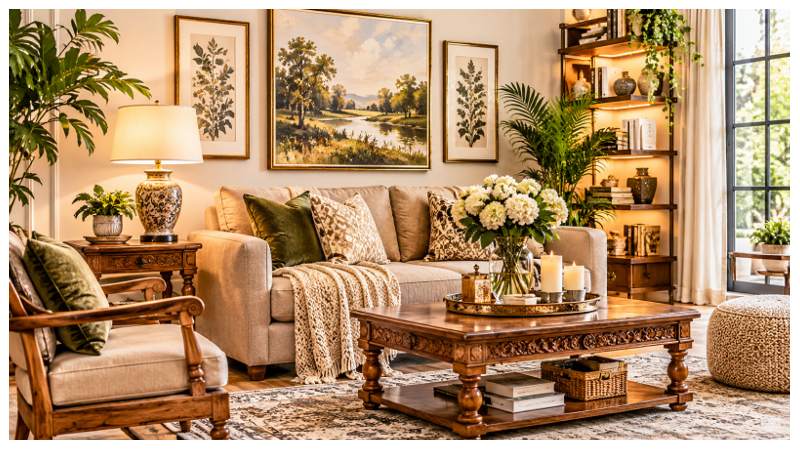
A beautiful home is more than a collection of attractive furniture and decorations. It is a space where comfort, personality, and practical living come together. The right interior design can make everyday activities easier, create a welcoming atmosphere, and transform ordinary rooms into places you genuinely enjoy.
PushYourDesign Interiors: Design Inspiration explores creative ways to improve your living spaces through thoughtful furniture choices, harmonious colours, effective lighting, and personal decorative details. Whether you are redesigning an entire room or making a few simple updates, these ideas can help you create an interior that feels stylish, comfortable, and uniquely yours.
Understanding the Basics of Interior Design
What Is Interior Design?
Interior design involves planning and arranging indoor spaces to make them attractive, functional, and comfortable. It includes selecting furniture, colours, lighting, materials, and accessories while considering how people use each room.
Good design does not depend on expensive purchases. A carefully arranged room with suitable furniture and balanced colours can feel more inviting than a space filled with costly decorations. Every detail should complement the others, creating a space that feels cohesive, functional, and thoughtfully designed.
Why Interior Design Matters
The way a room is designed can influence how easily you move around, relax, work, and spend time with others. A well-organized kitchen supports daily cooking, while a comfortable living room encourages conversation and relaxation.
Thoughtful interiors can also help you use available space more efficiently. When furniture, lighting, and storage meet your needs, your home becomes easier to maintain and more enjoyable to live in.
Creating a Home That Reflects Your Personality
Your home should express your preferences rather than simply copy a popular design trend. Personal photos, expressive art, colours you love, and cherished keepsakes can transform an ordinary room into a space filled with character and personal meaning.
Decide how you want the space to feel before choosing its colours, furnishings, and decorative details. You may prefer a bright, energetic interior or a softer setting with natural textures and gentle colours. Choosing elements that feel authentic to you helps create a home with character.
Balancing Beauty, Comfort, and Function
An attractive room should also serve its purpose. A beautiful chair is not a good choice if it is uncomfortable, and an elegant table may be impractical if it leaves too little space to move around.
Before buying anything, consider its appearance, usefulness, durability, and size. Combining these factors helps you create a balanced interior that looks appealing without sacrificing everyday convenience.
Exploring Popular Interior Design Styles
Modern Interior Design
Modern interiors often feature clean lines, practical furniture, uncluttered layouts, and a carefully selected colour palette. Materials such as wood, glass, metal, and stone can introduce contrast while maintaining a streamlined appearance.
To achieve this look, choose a few well-designed pieces instead of filling every corner. Simple lighting, coordinated finishes, and thoughtful accessories can create a contemporary atmosphere without making your home feel cold.
Minimalist Home Interiors
Minimalist design focuses on simplicity, useful belongings, and open spaces. Rather than removing everything that makes a room personal, this approach encourages you to keep items that serve a purpose or add genuine value.
Start by clearing unnecessary clutter and selecting furniture with practical functions. A limited colour palette and a few carefully chosen decorative pieces can make the space feel calm, spacious, and easy to maintain.
Scandinavian Design Inspiration
Scandinavian interiors commonly combine light colours, natural materials, simple furniture, and comfortable details. Pale wood, soft fabrics, neutral shades, and carefully placed lighting can create a relaxed and welcoming environment.
You can introduce this style with a wooden coffee table, textured cushions, a cosy rug, or lightweight curtains. The aim is to create a bright, functional space that feels warm rather than overly decorated.
Traditional and Classic Interiors
Traditional interiors often feature detailed furniture, rich textures, elegant patterns, and timeless decorative elements. Classic design can bring a sense of warmth and permanence to a home.
You do not need to reproduce an entire traditional room. A finely crafted timber table, decorative cushions, curated wall art, or a graceful lamp can bring timeless charm to a room without compromising its contemporary appeal.
Mixing Different Design Styles
Combining styles can produce a distinctive interior when the different elements share a common feature. Similar colours, materials, shapes, or finishes can help connect modern furniture with traditional accessories.
For example, a contemporary sofa can work beautifully with a vintage wooden table and a classic patterned rug. Keep the overall palette coordinated and avoid introducing too many competing details. A thoughtful mix feels personal rather than mismatched.
Creative Living Room Design Ideas
Choosing the Right Living Room Furniture
Begin with the room’s dimensions and how you use the space. A large family may need generous seating, while a smaller household might prefer a compact sofa and flexible occasional chairs.
Measure the room before purchasing furniture, including doorways and walking routes. Leave enough space for movement and choose pieces that support conversation, relaxation, and everyday activities.
Creating an Attractive Focal Point
A focal point gives the eye a natural place to settle. It might be a fireplace, a striking artwork, a statement sofa, or a carefully styled feature wall.
Arrange surrounding furniture to complement this feature instead of competing with it. A strong focal point can make the room feel more organized and give the overall design a clear direction.
Using Colors and Textures Effectively
Colour establishes the mood of a living room, while texture adds depth. Soft neutrals can create a relaxed foundation, and deeper shades can introduce contrast through cushions, rugs, curtains, or artwork.
Combine smooth surfaces with tactile materials such as woven fabrics, wood, and knitted throws. A balanced mixture creates visual interest without requiring excessive decoration.
Improving the Room With Lighting
A single ceiling light may not provide the atmosphere or flexibility your living room needs. Combine general lighting with floor lamps, table lamps, or focused lighting near reading areas.
Use brighter light for activities that require visibility and softer illumination when you want to relax. The right arrangement makes the room useful throughout the day and evening.
Adding Personal Decorative Touches
Decorative accessories help a living room feel complete. Books, framed photographs, ceramics, plants, and meaningful keepsakes can introduce personality without overwhelming the space.
Choose a few pieces that complement the room’s colours and proportions. Leaving some surfaces clear allows your favourite objects to stand out and keeps the overall arrangement balanced.
Beautiful Bedroom Interior Inspiration
Designing a Relaxing Bedroom
A bedroom should support rest and offer a comfortable retreat from daily responsibilities. Keep the layout simple, provide convenient bedside storage, and avoid filling the room with unnecessary furniture.
Comfortable bedding, suitable lighting, and a tidy environment can help establish a peaceful atmosphere. Consider how you move through the room and position essential items within easy reach.
Choosing Colors for a Peaceful Atmosphere
Soft neutrals, muted greens, gentle blues, and warm earthy shades can create a soothing bedroom palette. However, your ideal colours depend on personal taste and the amount of natural light available.
Test paint samples in different lighting conditions before committing to a shade. Small accents can introduce stronger colours without making the entire room feel visually busy.
Selecting Bedding and Soft Furnishings
Bedding contributes both comfort and style. Choose fabrics that suit the season and your preferences, then coordinate pillowcases, blankets, and curtains through complementary colours or textures.
Layering does not mean adding every available accessory. A few well-chosen pieces can make the bed look inviting while keeping it practical for everyday use.
Decorating Bedroom Walls
Bedroom walls can provide character without taking up valuable floor space. Consider a framed print above the bed, a simple gallery arrangement, or a subtle painted feature wall.
Keep the scale of artwork appropriate to the wall and furniture. A thoughtfully placed decoration can complete the room more effectively than numerous small pieces scattered around it.
Making the Most of Bedroom Space
Use under-bed storage, bedside drawers, and wardrobes efficiently to keep clothing and personal belongings organized. In compact rooms, consider furniture that provides storage without occupying additional floor space.
Avoid blocking windows or narrow walkways with oversized pieces. A clear layout makes even a modest bedroom feel more comfortable.
Stylish Kitchen and Dining Interiors
Combining Kitchen Style With Function
A kitchen should look attractive while supporting safe, convenient meal preparation. Arrange frequently used tools near the areas where you need them and keep work surfaces clear enough for cooking.
Choose finishes that suit your cleaning routine and household needs. Practical decisions can help maintain a stylish kitchen long after the initial makeover.
Choosing Cabinets and Countertops
Cabinets influence both storage and the overall appearance of a kitchen. Simple cabinet fronts can create a modern look, while detailed designs may suit a more traditional interior.
When selecting countertops, consider durability, cleaning requirements, colour, and cost. Coordinating these surfaces with flooring and wall finishes helps create a unified appearance.
Creating Smart Kitchen Storage
Use drawer dividers, cupboard organizers, shelves, and suitable containers to make better use of available space. Store frequently used ingredients and utensils where they are easy to reach.
Keep heavier items in secure, accessible locations and avoid overcrowding open shelves. A well-planned storage system makes everyday cooking smoother and reduces visual clutter.
Designing an Inviting Dining Area
A dining area should allow people to sit comfortably and enjoy meals together. Select a table that fits the room and provides enough space for chairs to move freely.
A pendant light, a simple centrepiece, or coordinated table accessories can create a welcoming atmosphere. Keep decorations proportionate so the table remains practical for everyday use.
Adding Practical and Attractive Accessories
Kitchen and dining accessories can introduce personality through useful objects. Attractive serving bowls, storage jars, table linens, and small plants can complement the interior without becoming unnecessary clutter.
Choose items that are easy to clean and suitable for their location. A small number of practical accessories often creates a more polished result than an overcrowded countertop.
Smart Interior Ideas for Small Spaces
Making Small Rooms Feel More Spacious
Light colours, clear walkways, and carefully arranged furniture can help compact rooms feel more open. Avoid placing too many large objects in one area, and allow windows to bring natural light into the space.
A consistent colour scheme can also make adjoining areas feel connected, creating a more continuous visual flow.
Choosing Space-Saving Furniture
Multifunctional furniture can be especially useful in smaller homes. Storage ottomans, foldable tables, sofa beds, and beds with drawers help combine different purposes in one piece.
Before purchasing multifunctional furniture, check that it is comfortable and easy to use. Saving space is only helpful when the furniture meets your everyday needs.
Using Mirrors to Enhance Natural Light
Mirrors can reflect available light and create a sense of visual depth. Position one opposite or beside a window where it can reflect daylight into the room.
Choose a mirror size that suits the wall and surrounding furniture. A well-positioned mirror can serve as both a practical accessory and an attractive design feature.
Creating Storage Without Clutter
Use vertical space through wall shelves, hooks, and tall storage units where appropriate. Closed cupboards can hide everyday belongings, while a few open shelves can display carefully selected objects.
Avoid filling every available surface simply because space exists. The aim is to store belongings efficiently while preserving a comfortable, uncluttered appearance.
Maximizing Every Corner
Unused corners can become practical features with the right arrangement. A small reading chair, narrow bookshelf, compact desk, or tall plant may make the area more useful.
Choose items that suit the corner’s dimensions and do not obstruct movement. Even a small change can help a room feel more thoughtfully designed.
Choosing the Right Colors and Materials
Understanding Interior Color Palettes
A coordinated palette helps different parts of a room feel connected. Begin with one main colour, introduce supporting shades, and add a small amount of contrast where needed.
Consider the room’s natural light, size, and existing furniture before making your selection. Testing samples in the actual space can prevent disappointing results.
Combining Neutral and Bold Colors
Neutral colours provide a flexible foundation, while stronger shades add personality. Beige, cream, grey, or soft white can work alongside deeper green, blue, terracotta, or mustard accents.
Use bold colours where you want to create interest, such as an accent wall, a chair, or decorative cushions. This approach makes it easier to update the room later.
Adding Interest With Different Textures
Texture creates depth even when a room uses a limited colour palette. Combine smooth wood, soft upholstery, woven baskets, natural stone, and textured fabrics where appropriate.
Keep the materials connected through colour or style. Too many competing textures can make a small space feel busy, so introduce them gradually.
Choosing Suitable Flooring Materials
Flooring affects appearance, comfort, maintenance, and durability. Wood and wood-look finishes can add warmth, while tiles may suit areas that need easy cleaning and moisture resistance.
Consider the room’s use, household needs, and installation budget before choosing a material. A suitable floor should work with the interior rather than simply follow a trend.
Creating Harmony Between Colors and Finishes
Coordinate major surfaces such as flooring, cabinetry, walls, and furniture before selecting smaller accessories. These larger elements establish the foundation of the design.
Repeat a few colours or materials throughout the room to create visual continuity. This helps separate pieces feel like parts of one considered arrangement.
Lighting Ideas for Beautiful Interiors
Making the Most of Natural Light
Keep windows clean and avoid placing bulky furniture directly in front of them. Lightweight curtains can provide privacy while allowing daylight to enter.
Where natural light is limited, use reflective surfaces and a suitable combination of artificial lighting to keep the room comfortable.
Choosing Warm and Cool Lighting
Warm lighting often creates a cosy atmosphere in living rooms and bedrooms. Cooler or neutral lighting may be useful in kitchens, bathrooms, and work areas where clear visibility matters.
Choose lighting according to the activity and desired mood rather than using one type throughout the home.
Using Decorative Lighting Fixtures
Pendant lights, wall sconces, and table lamps can function as both practical lighting and decorative features. Choose designs that suit the room’s scale and existing style.
A statement fixture can add interest, but it should provide appropriate illumination as well as visual appeal.
Creating a Comfortable Evening Atmosphere
In the evening, softer lighting can make a room feel more relaxing. Use lamps or dimmable fixtures where possible, and avoid lighting that creates uncomfortable glare.
Layering gentle light sources helps the space adapt to reading, entertaining, and winding down.
Layering Lighting for Different Activities
Effective lighting combines general illumination, task lighting, and accent lighting. Ceiling lights illuminate the room, focused lamps support specific activities, and accent lights highlight artwork or architectural details.
Combining these layers makes the interior more flexible and visually interesting.
Furniture and Décor Styling Tips
Selecting Furniture for Your Space
Choose furniture according to room dimensions, daily needs, and comfort. Measure carefully and consider how each piece will fit alongside existing belongings.
Prioritize items you use regularly before purchasing decorative furniture. This keeps the room functional and helps prevent unnecessary spending.
Arranging Furniture for Better Flow
Arrange furniture so people can move naturally between entrances, seating areas, and frequently used spaces. Avoid blocking doors or placing tables where they create obstacles.
In larger rooms, use rugs and furniture groupings to define separate zones without closing off the space.
Decorating With Cushions and Throws
Cushions and throws introduce colour, texture, and comfort. Mix complementary shades and a small variety of patterns to create interest without overwhelming the furniture.
Choose fabrics that suit your lifestyle and are easy to maintain. A seasonal change in soft furnishings can refresh a room without requiring a major redesign.
Choosing Artwork and Wall Decorations
Artwork adds personality and can connect the colours used throughout a room. Choose pieces that appeal to you and suit the wall’s proportions.
Hang artwork at a comfortable viewing height and consider how several pieces relate to one another. A balanced arrangement looks intentional rather than crowded.
Adding Plants and Natural Elements
Plants, wood, stone, and woven materials can introduce natural character. Select plants suited to the light and care available, and use natural materials where they complement the room.
A few thoughtfully placed elements can soften an interior and add variety without excessive decoration.
Budget-Friendly Interior Design Ideas
Refreshing Rooms Without Major Renovations
Small updates can change a room’s appearance without construction. Rearrange furniture, update cushion covers, clean lampshades, or display existing artwork in a new way.
Focus on the parts of the room that feel least effective. Targeted improvements often provide better value than changing everything at once.
Repurposing Existing Furniture
Give existing furniture a fresh purpose before replacing it. A small table might become a bedside stand, while a sturdy cabinet could provide storage in another room.
If a piece needs an update, consider cleaning, repairing, painting, or replacing suitable hardware. Make sure any changes are appropriate for the material and finish.
Finding Affordable Decorative Accessories
Affordable accessories can add interest when chosen carefully. Look for simple frames, useful baskets, second-hand finds, and textiles that coordinate with your existing palette.
Compare quality and practicality before buying. The goal is to enhance the room, not accumulate decorations that have no clear place or purpose.
Making Small Changes With a Big Impact
Focus on visible details that influence the room’s overall appearance. Better lighting, coordinated textiles, a tidy shelf, or a well-positioned mirror can create a noticeable improvement.
Choose one change at a time and assess the result before spending more. This helps you discover what works best for your space.
Knowing Where to Invest in Quality
Spend more carefully on items that receive frequent use, such as a supportive sofa, a durable mattress, or a reliable dining table. Decorative accessories can often be less expensive because they are easier to replace.
Consider long-term comfort, maintenance, and durability alongside the initial price. Good value means choosing something that meets your needs over time.
Sustainable and Nature-Inspired Interiors
Bringing Natural Elements Indoors
Natural materials can make interiors feel warm and grounded. Wooden furniture, woven baskets, stone accessories, and linen fabrics offer varied textures without relying on excessive decoration.
Combine them with a coordinated palette to create a balanced appearance.
Choosing Sustainable Materials
When possible, consider durable products, responsibly sourced materials, and furniture designed for long-term use. Second-hand furniture can also reduce waste while adding distinctive character.
Check product details carefully rather than assuming that every item described as natural or eco-friendly is automatically sustainable.
Decorating With Indoor Plants
Indoor plants can add colour and life to a room. Choose varieties that suit your available light, temperature, and willingness to care for them.
Place plants where they can thrive without obstructing walkways or damaging surfaces. A small, healthy plant can be more effective than a large collection that is difficult to maintain.
Reducing Waste During Home Improvements
Plan purchases before starting a project to avoid buying excess materials. Reuse suitable items, donate furniture in usable condition, and follow local guidance for recycling or disposing of renovation waste.
Careful planning can reduce both costs and unnecessary waste.
Creating a Fresh and Natural Atmosphere
Use daylight, suitable ventilation, natural textures, and uncluttered surfaces to create a fresh environment. Choose materials and fabrics that are practical to clean and maintain.
The best natural-inspired interior feels comfortable and functional rather than artificially styled.
Modern Interior Trends and Inspiration
Exploring Current Interior Design Trends
Trends can introduce useful ideas, including flexible furniture, layered lighting, natural finishes, and more personal decorative choices. Explore different approaches before deciding which ones fit your home.
Use trends as inspiration rather than a list of rules you must follow.
Combining Timeless Designs With Modern Details
Timeless furniture and simple foundations can work well with contemporary accessories. For example, a classic wooden table can complement modern lighting and understated artwork.
This combination allows you to update smaller details while keeping the room’s main elements consistent.
Using Statement Pieces Effectively
A statement piece might be a distinctive chair, an unusual light fixture, a large artwork, or a patterned rug. It should attract attention without competing with too many other features.
Give the item enough visual space to stand out and support it with simpler surrounding elements.
Personalizing Popular Design Ideas
Adapt popular ideas to your own colour preferences, room dimensions, and daily habits. A trend that works in a large house may need adjustment for a compact apartment.
Personalizing an idea helps it feel natural and practical instead of copied.
Creating an Interior That Lasts
Choose a flexible foundation through durable furniture, coordinated colours, and practical layouts. Introduce changing trends through accessories that can be updated without major expense.
A lasting interior is not one that never changes. It is one that can evolve while continuing to meet your needs.
Practical Interior Design Tips From PushYourDesign
Planning Your Interior Design Project
Begin by identifying what needs improvement and setting a realistic budget. Collect inspiration, decide on a colour direction, and list essential purchases before starting.
A simple plan helps you avoid buying items that do not fit the room or work with the overall design.
Measuring Your Space Before Buying Furniture
Measure walls, doorways, windows, and the areas where furniture will sit. Check the dimensions of any item you plan to buy, including the space needed to open drawers or move chairs.
These basic measurements can prevent costly mistakes and make arranging the room much easier.
Prioritizing Comfort and Functionality
Consider how each room supports your everyday activities. Choose comfortable seating, accessible storage, suitable lighting, and practical surfaces before adding decorative extras.
A well-designed room should make life easier as well as look attractive.
Avoiding Common Decorating Mistakes
Avoid purchasing furniture before measuring, using too many competing colours, or filling every surface with accessories. Do not ignore lighting or arrange furniture without considering movement.
Take time to evaluate the room as a whole. A few coordinated choices usually create a stronger result than many unrelated additions.
Keeping Your Interior Balanced and Organized
Maintain a balance between decorated areas and open space. Repeat selected colours or materials to create continuity, and regularly remove objects that no longer serve a purpose.
A little ongoing care helps your interior remain attractive, comfortable, and easy to use.
PushYourDesign Interiors: Bringing Ideas to Life
Discovering Your Personal Interior Style
Notice the colours, furniture, and materials that consistently appeal to you. Save examples of rooms you like and look for common features rather than copying every detail.
This process helps you identify a personal style that can guide future decorating decisions.
Turning Inspiration Into Practical Design
Translate ideas into changes that suit your own space. If you admire a beautiful reading corner, consider whether you have room for a chair, lamp, and small table before recreating the look.
Adapt inspiration to your budget, measurements, and daily needs so the final result feels achievable.
Creating Beautiful and Functional Rooms
Think about how each room should look and what it needs to accomplish. Use furniture, storage, colour, and lighting to support those purposes.
When practical details and decorative choices work together, the result feels more cohesive and comfortable.
Designing a Home You Love
Your home does not need to resemble a showroom to be beautiful. It should reflect your interests, support your routines, and provide comfort to the people who use it.
Make thoughtful changes over time and allow your interior to evolve with your needs. Personal details and practical choices will give your home lasting character.
Frequently Asked Questions (FAQ)
What Are the Best Interior Design Ideas for a Home?
Start with a practical layout, coordinated colours, comfortable furniture, and suitable lighting. Add personal artwork, useful storage, and a few decorative details that complement the room.
How Can I Make My Interior Look More Stylish?
Keep the space organized, repeat a few colours or materials, and choose accessories that suit the room’s proportions. Good lighting and thoughtful furniture placement can also improve the overall appearance.
Which Colors Work Best for Interior Design?
The best colours depend on your taste, natural light, room size, and existing furnishings. Neutral shades provide flexibility, while accent colours can introduce personality and contrast.
How Can I Decorate a Small Room?
Choose appropriately sized furniture, use vertical storage, keep walkways clear, and make the most of natural light. Mirrors and a coordinated colour palette can help create a greater sense of space.
What Are the Latest Interior Design Trends?
Interior trends vary, but ideas such as natural materials, flexible furniture, layered lighting, and personalized spaces can offer useful inspiration. Choose trends that suit your needs rather than following them automatically.
How Can I Improve My Home on a Budget?
Rearrange furniture, refresh soft furnishings, repurpose existing items, and update lighting or accessories. Plan your spending and prioritize changes that solve practical problems or noticeably improve the room.
How Do I Choose the Right Interior Design Style?
Consider your preferences, budget, room dimensions, and daily routines. Collect inspiration, identify recurring colours and materials, and test small changes before committing to a complete design.
Conclusion
Create Beautiful Spaces With Thoughtful Design
Great interior design begins with understanding how you want your home to look, feel, and function. By choosing suitable furniture, balancing colours, improving lighting, organizing storage, and adding personal touches, you can create spaces that feel inviting without unnecessary expense.
PushYourDesign Interiors: Design Inspiration encourages you to explore ideas, adapt them to your needs, and make thoughtful improvements at your own pace. Whether you are refreshing one corner or redesigning several rooms, focus on comfort, personality, and practicality. With a clear plan and creative thinking, you can turn everyday spaces into a home you truly enjoy.